One scan. Three seconds. A clear answer.
Here’s exactly what happens when you scan a product — from the moment the camera opens to the moment you decide whether to buy it.
Scan
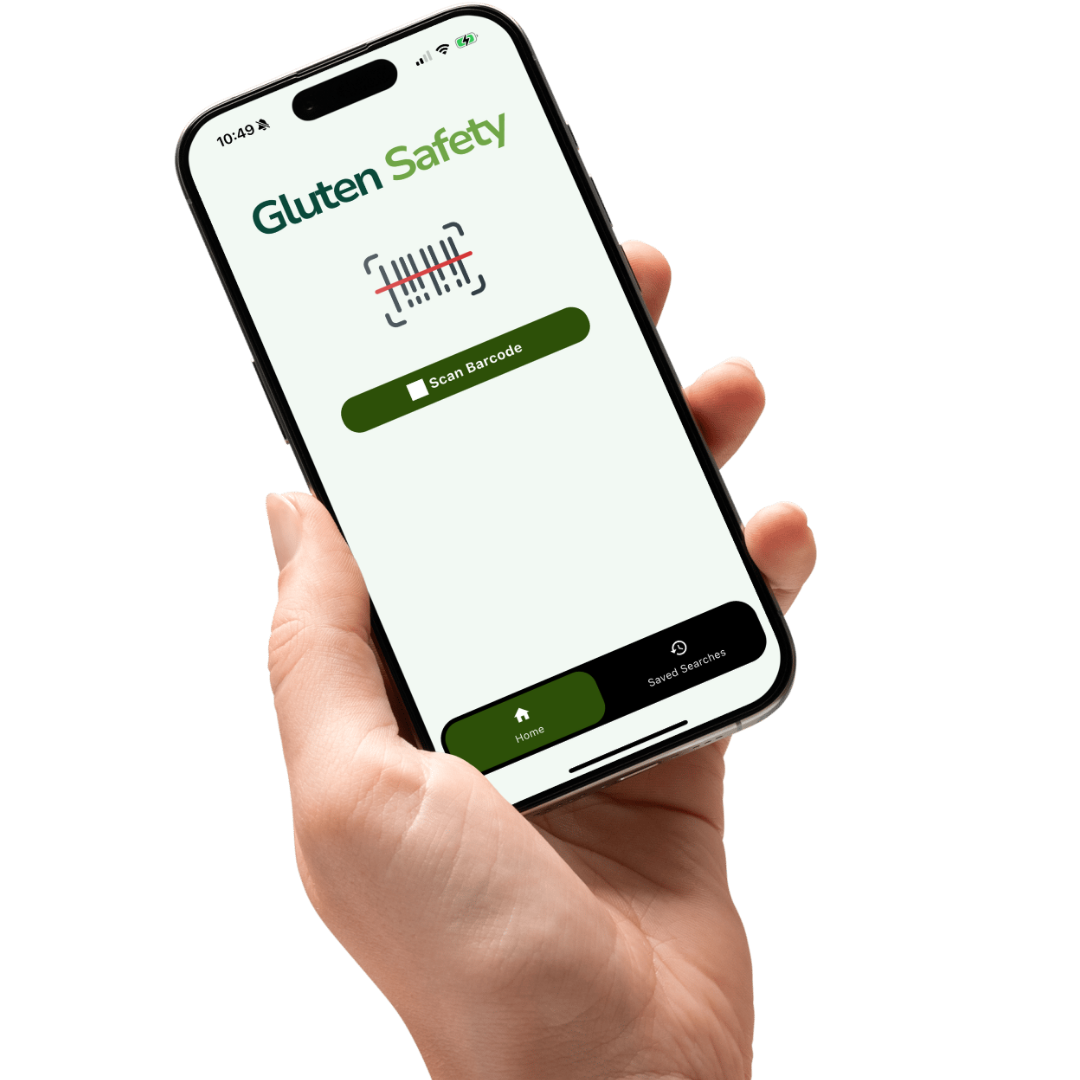
Open Gluten Safety. Three ways to scan any food:
- Barcode — point your camera at any packaged product’s barcode.
- Ingredient label — photograph the back of the package when the barcode isn’t in our database.
- Restaurant menu — photograph the menu to flag gluten-containing dishes before you order.
Scans happen in under two seconds. No typing, no searching.
Analyze
We check the ingredient list against every known gluten source — not just the obvious ones:
- Wheat, barley, rye, triticale
- Malt, malt extract, malt vinegar
- Modified wheat starch, wheat-derived natural flavoring
- Soy sauce, most beers, seitan
- Oats (flagged as “may contain” unless certified gluten-free)
When the label isn’t clear, we flag cross-contamination risk too — “may contain” warnings aren’t just noise, they’re safety-critical for celiacs.
Know
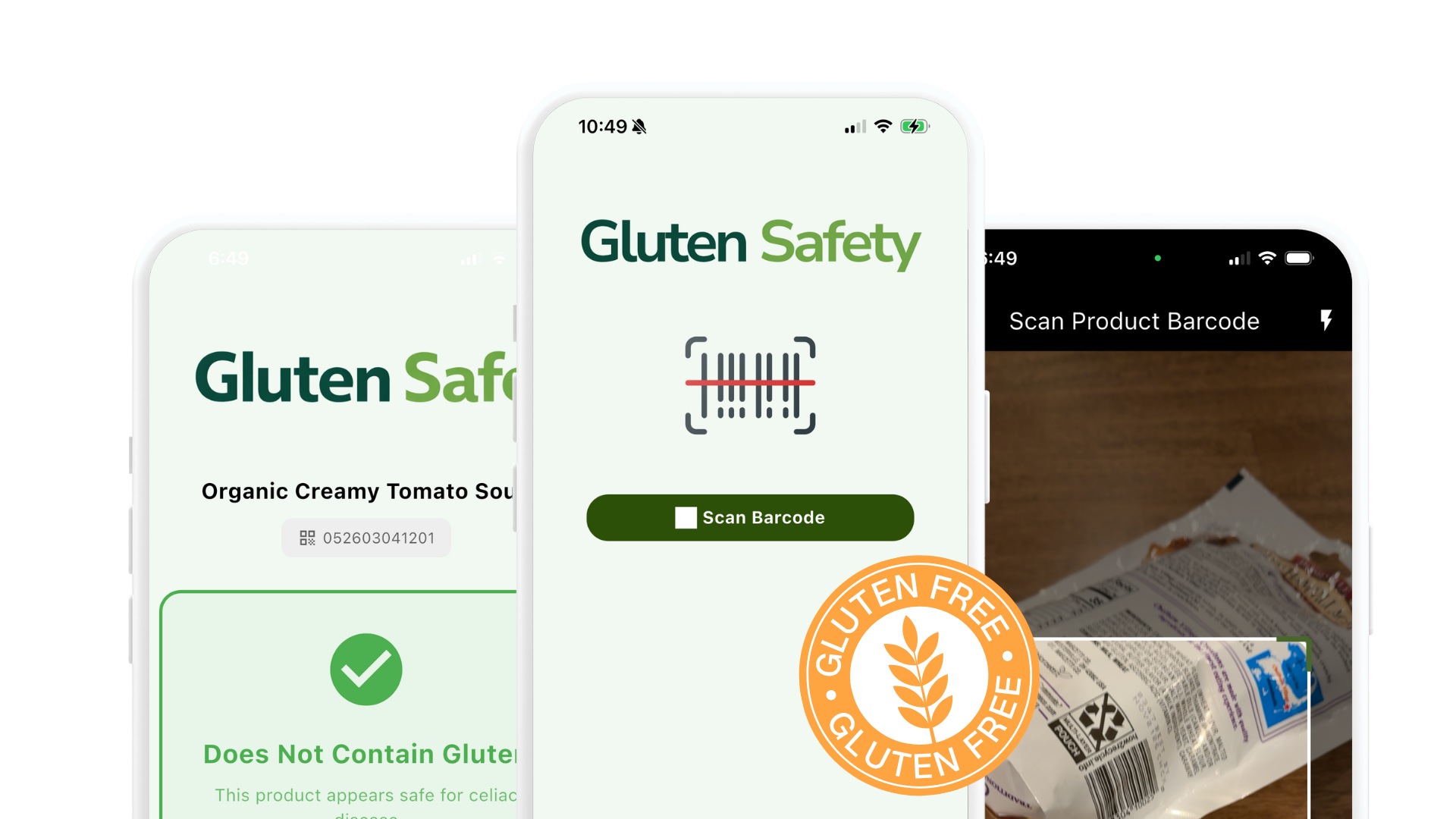
A single, clear result — color-coded so you can make the call in the aisle without re-reading a paragraph:
- Gluten safe — no gluten-containing ingredients, no cross-contamination flags.
- May contain — no declared gluten, but cross-contamination or ambiguous ingredients present.
- Avoid — contains a confirmed gluten ingredient.
Save anything you like to your personal list so you don’t re-check it next time.
What we can — and can’t — do.
Gluten Safety is a tool to help you make faster, better-informed decisions. It’s not a medical device. We can read the ingredient list printed on a package. We can’t verify manufacturing practices, spot-check a specific batch, or guarantee every “may contain” warning.
If you have celiac disease or a serious gluten sensitivity, always verify ingredient information on the packaging yourself, and consult your doctor or dietitian for your own dietary decisions.
Start scanning today.
Download for iPhone or Android.