
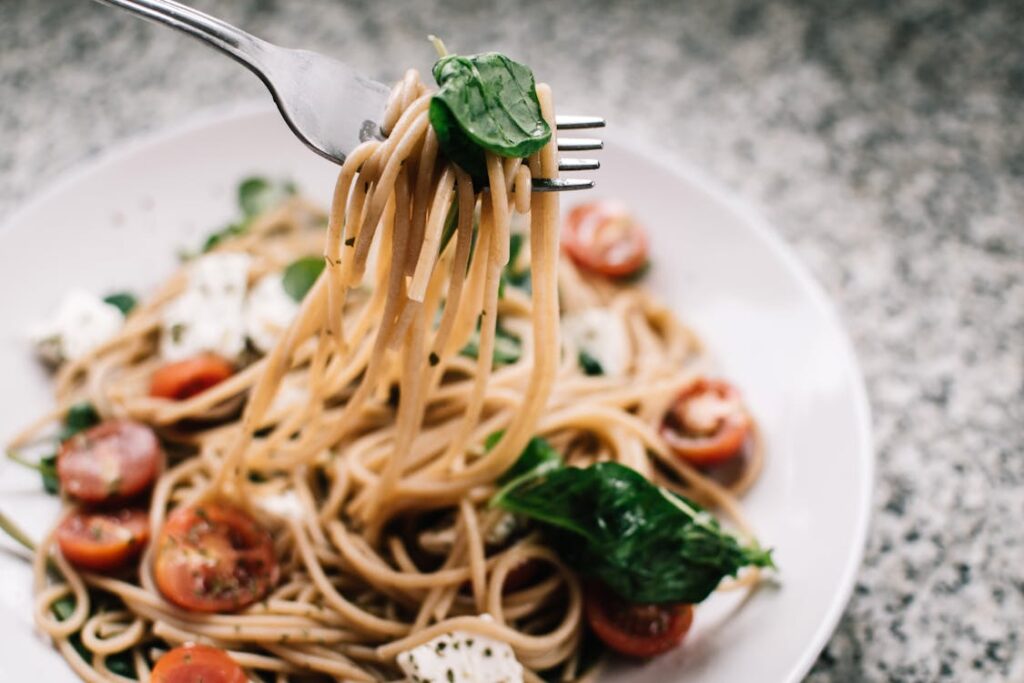
Dining out should be a pleasure, not a source of anxiety. But for the millions of people living with celiac disease or gluten sensitivity, eating at a restaurant can feel like navigating a minefield. The fear of accidental gluten exposure, the awkwardness of asking detailed questions, and the frustration of limited menu options can make even the most food-loving person want to stay home. The good news is that with the right strategies, tools, and mindset, you can enjoy safe, delicious meals at gluten-free restaurants — and even discover new favorite dishes along the way. This guide covers everything you need to know about finding gluten-free restaurants and dining out safely.
Why Dining Out Is Challenging for Gluten-Free Eaters
Before diving into strategies, it helps to understand why restaurants pose unique challenges for people avoiding gluten. Unlike your own kitchen, where you control every ingredient and surface, restaurant kitchens are chaotic environments where multiple dishes are prepared simultaneously. Flour dust can linger in the air. Shared fryers, grills, cutting boards, and utensils create opportunities for cross-contamination. Staff may not fully understand the difference between a food preference and a medical necessity.
According to studies, up to 32% of restaurant meals labeled as “gluten-free” actually contain detectable levels of gluten. This statistic is not meant to scare you — it is meant to empower you. By being informed and prepared, you can significantly reduce your risk and enjoy dining out with confidence.
How to Research Restaurants Before You Go
The most important step in safe gluten-free dining happens before you ever walk through the restaurant door. Taking time to research your options dramatically increases your chances of having a safe, enjoyable meal.
Use Dedicated Apps and Websites
Several resources are specifically designed to help people find gluten-free-friendly restaurants. The Gluten Safety app from GlutenSafe.io is an excellent starting point, helping you verify the safety of specific menu items and ingredients. Other useful resources include Find Me Gluten Free (a community-driven database of restaurant reviews by gluten-free diners), Yelp (search for “gluten-free” in restaurant reviews), and Google Maps (which often includes menu information and dietary labels).
Check Menus Online
Most restaurants publish their menus online. Look for restaurants that clearly mark gluten-free options or provide a separate gluten-free menu. Be cautious of restaurants that simply note “gluten-free available upon request” without providing specific details — this may indicate a less developed understanding of gluten-free preparation.
Call Ahead
A phone call to the restaurant during a slow period (typically between 2-4 PM) can provide invaluable information. Ask to speak with a manager or chef and inquire about their gluten-free preparation procedures, whether they have a dedicated preparation area, and how they handle cross-contamination risks. The way staff responds to your questions is a strong indicator of how seriously they take food safety.
Best Types of Restaurants for Gluten-Free Dining
Not all cuisines are created equal when it comes to gluten-free safety. Some culinary traditions naturally rely less on wheat, making them inherently safer choices.
Mexican and Latin American
Corn is the traditional grain in Mexican cuisine, making it one of the most naturally gluten-free-friendly options. Corn tortillas, rice, beans, grilled meats, salsas, and guacamole are all naturally gluten-free. Just be cautious of flour tortillas, seasoning mixes that may contain wheat, and fried items that share a fryer with flour-based products.
Thai and Vietnamese
Rice is the staple grain in Thai and Vietnamese cooking, and rice noodles are used far more frequently than wheat noodles. Dishes like pho, pad Thai (made with rice noodles), curry dishes served with rice, and fresh spring rolls wrapped in rice paper are often safe choices. The main concern is soy sauce — ask if the restaurant uses tamari or can substitute it.
Indian
Many Indian dishes are built on rice, lentils, chickpeas, and vegetables — all naturally gluten-free. Dishes like daal, chana masala, rice biryani, and tandoori meats (without marinade thickened by flour) can be excellent choices. Avoid naan bread, samosas, and pakoras, which are wheat-based.
Japanese
Japanese cuisine offers many gluten-free possibilities, including sashimi, sushi rice, edamame, and grilled fish or meat (yakitori). However, soy sauce is prevalent, tempura uses wheat flour, and many Japanese dishes incorporate mirin or other sauces that may contain gluten. Ask specifically about each dish and request tamari as a soy sauce substitute.
Steakhouses and Seafood Restaurants
Restaurants that specialize in simply prepared meats and seafood are often safe choices. A grilled steak or fish fillet with a baked potato and steamed vegetables is a naturally gluten-free meal. Just confirm that no flour-based marinades or sauces are used, and that the grill is not contaminated with gluten from other items.
How to Communicate Your Needs at the Restaurant
Effective communication is the cornerstone of safe gluten-free dining. Here is how to advocate for yourself without feeling awkward or burdensome.
Use Clear, Specific Language
When you inform your server about your dietary needs, be clear and specific. Instead of simply saying “I’m gluten-free,” try: “I have celiac disease, which means I cannot have any wheat, barley, rye, or anything that has come into contact with those ingredients. Even a small amount will make me very ill.” This communicates the medical seriousness of your condition and distinguishes it from a casual dietary preference.
Ask the Right Questions
Do not be afraid to ask detailed questions. Essential questions include:
- Does this dish contain any flour, breadcrumbs, or wheat-based thickeners?
- Is the pasta water used for both regular and gluten-free pasta?
- Do you have a separate fryer for gluten-free items?
- Are the french fries coated in any flour before frying?
- Is the grill cleaned between cooking different items?
- Can the chef prepare my meal with clean utensils and on a clean surface?
- What oil is used for frying? (Reused oil may be contaminated.)
Consider Using a Dining Card
A gluten-free dining card is a printed or digital card that explains your dietary restrictions in clear, concise terms. This is especially useful when traveling internationally, as cards are available in multiple languages. You can hand the card to your server to show the chef, ensuring that nothing gets lost in translation.
Red Flags to Watch For
While many restaurants are genuinely committed to accommodating gluten-free diners, some may not fully understand the requirements. Watch for these warning signs:
- Dismissive responses: If staff seem annoyed or dismissive of your questions, the kitchen may not take cross-contamination seriously.
- “I think it’s fine”: Vague reassurances without checking with the kitchen are a red flag.
- Bread served alongside your “gluten-free” meal: This suggests a lack of understanding about cross-contamination.
- No knowledge of ingredients: If the server cannot answer basic questions about what is in a dish, proceed with caution.
- Overly large gluten-free menus: If nearly everything on the menu is listed as “gluten-free available,” the restaurant may be marking items as gluten-free without truly understanding the preparation requirements.
Strategies for Specific Dining Situations
Fast Food
Fast food is generally the riskiest option for gluten-free diners due to shared preparation surfaces and fryers. However, some chains are making strides. Chipotle, for example, has a naturally gluten-free menu (with corn tortillas and bowls), and In-N-Out offers burgers wrapped in lettuce. Always check current allergen information, as menus and preparation methods change.
Fine Dining
High-end restaurants are often the safest option for gluten-free diners. Chefs in fine dining establishments typically have a deeper understanding of ingredients and preparation methods, and they may be willing to create custom dishes to accommodate your needs. Call ahead and mention your dietary requirements when making your reservation.
Buffets and Potlucks
Buffets are high-risk environments for cross-contamination. Shared serving utensils, dishes placed close together, and the general chaos of a buffet line make it difficult to ensure safety. If attending a buffet, arrive early before cross-contamination has occurred, use clean serving utensils, and stick to items you can identify with certainty.
Travel and Airports
Airport dining has improved significantly in recent years, but options can still be limited. Pack gluten-free snacks for your journey, and use the Gluten Safety app to research airport restaurant options before your trip. Many airports now have restaurants that offer clearly labeled gluten-free items.
What to Do If You Get “Glutened”
Despite your best efforts, accidental gluten exposure can happen. If you suspect you have been “glutened” at a restaurant, here are steps to help manage the situation:
- Stay hydrated. Drink plenty of water to help flush your system and stay hydrated if you experience digestive symptoms.
- Rest. Your body is mounting an immune response. Give yourself permission to rest and recover.
- Consider digestive enzymes. While not a treatment, some people find that digestive enzyme supplements (specifically those containing DPP-IV) help reduce the severity of symptoms. These should not be relied upon as a preventive measure.
- Manage symptoms. Over-the-counter anti-nausea medication, peppermint tea, ginger tea, or a heating pad for abdominal cramps can help manage discomfort.
- Document the incident. Note what you ate, where, and when symptoms appeared. This information is helpful for your doctor and can help the restaurant improve its practices.
- Contact the restaurant. Consider politely informing the restaurant about what happened. This feedback can help them improve their gluten-free protocols and prevent future incidents for other diners.
Building Confidence Over Time
Dining out safely with celiac disease or gluten sensitivity is a skill that improves with practice. Over time, you will develop a mental list of trusted restaurants, learn which cuisines work best for you, and become more comfortable asking questions. You will also discover that many restaurant staff are genuinely eager to help — they want you to have a great experience and come back.
Technology continues to make this process easier. The Gluten Safety app from GlutenSafe.io is a powerful tool that helps you research menu items, verify ingredients, and make informed decisions wherever you eat. Combined with community resources, restaurant review sites, and your own growing expertise, dining out gluten-free can become something you look forward to rather than dread.
Conclusion
Finding safe gluten-free restaurants and dining out confidently is absolutely achievable. It requires preparation, communication, and the willingness to advocate for your health — but the reward is the freedom to enjoy meals with friends, family, and colleagues without fear. Start by researching restaurants before you go, choose cuisines that are naturally lower in gluten, ask specific and detailed questions, and always have the Gluten Safety app ready on your phone.
Remember: you deserve to enjoy eating out as much as anyone else. With the right approach and the right tools, safe gluten-free dining is not just possible — it is a pleasure. Download the free Gluten Safety app today and take the stress out of your next restaurant visit.