
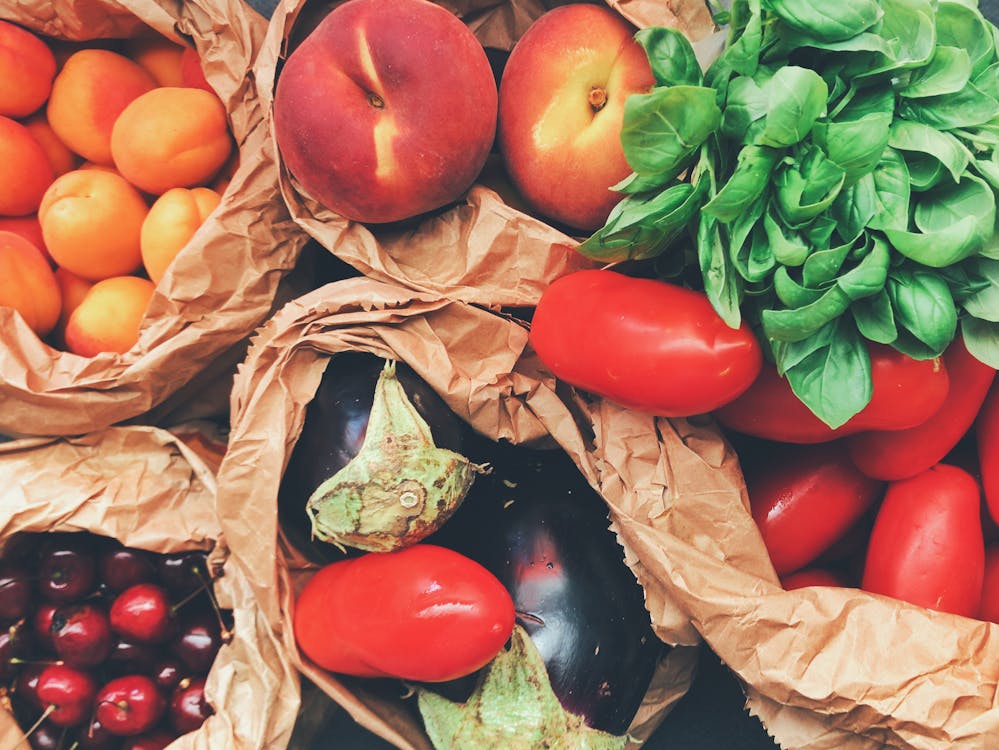
Eating gluten-free on a budget is absolutely possible, despite the common perception that a gluten-free diet is inherently expensive. Yes, specialty gluten-free products like bread, pasta, and snacks often cost two to three times more than their wheat-based counterparts. But the key to affordable gluten-free eating is shifting your focus away from processed substitutes and toward the abundance of naturally gluten-free whole foods that are both nutritious and budget-friendly. At GlutenSafe.io, we believe that eating safely should be accessible to everyone, regardless of budget.
Whether you are managing celiac disease, living with gluten sensitivity, or choosing to go gluten-free for other health reasons, this guide will show you practical strategies for keeping your grocery bill manageable while eating well. From smart shopping habits to affordable meal planning, these tips will transform the way you approach your gluten-free lifestyle.
Focus on Naturally Gluten-Free Foods
The most important budget strategy is to build your diet around foods that are naturally gluten-free rather than relying on expensive processed gluten-free products. Nature provides an incredible variety of affordable, nutritious foods that contain no gluten whatsoever.
- Rice: brown, white, jasmine, basmati — one of the most affordable staples in the world, and completely gluten-free
- Potatoes and sweet potatoes: versatile, filling, and inexpensive, potatoes are a gluten-free staple in cuisines worldwide
- Beans and lentils: dried beans cost pennies per serving and provide excellent protein, fiber, and complex carbohydrates
- Eggs: one of the most affordable protein sources available, naturally gluten-free and incredibly versatile
- Fresh and frozen vegetables: carrots, onions, cabbage, broccoli, spinach, and seasonal produce are budget-friendly
- Fresh and frozen fruit: bananas, apples, oranges, and frozen berries provide nutrition without breaking the bank
- Canned fish: tuna and salmon are affordable protein sources that are shelf-stable and naturally gluten-free
- Corn tortillas: a fraction of the cost of gluten-free bread and versatile for many meals
- Oats: certified gluten-free oats are affordable and make excellent breakfast and baking staples
Smart Shopping Strategies
Where and how you shop makes a significant difference in your grocery spending. With a few strategic habits, you can reduce your food costs while maintaining a safe gluten-free living lifestyle.
Plan Before You Shop
Meal planning is the single most effective way to reduce food spending. Before going to the store, plan your meals for the week, check your pantry for items you already have, and write a detailed shopping list. Stick to the list to avoid impulse purchases, which are often the most expensive items in the cart. Planning also reduces food waste, which is essentially throwing money away.
Compare Prices and Shop Around
Prices for gluten-free products vary dramatically between stores. Discount grocery chains, warehouse clubs, ethnic food markets, and online retailers often offer better prices than conventional grocery stores. Asian grocery stores, for example, are excellent sources for affordable rice, rice noodles, and rice paper. Latin American markets offer inexpensive corn tortillas, dried beans, and naturally gluten-free seasonings. Always use your gluten scanner to verify unfamiliar products.
Bulk Buying and Batch Cooking
Buying in bulk is one of the most effective ways to save money on a gluten-free diet. Items like rice, quinoa, dried beans, lentils, oats, nuts, and seeds are significantly cheaper when purchased in bulk. Many natural food stores and warehouse clubs offer bulk bins where you can buy exactly the amount you need. Just be aware of potential cross-contamination in shared bulk bins — for those with celiac disease, pre-packaged bulk items from certified gluten-free sources may be safer.
Batch cooking goes hand in hand with bulk buying. When you cook a large pot of rice, a big batch of beans, or a sheet pan of roasted vegetables, you create the building blocks for multiple meals. Portion and freeze extras for future meals. This approach saves time and money while ensuring that you always have safe, homemade food safety-conscious meals available.
Affordable Meal Ideas
Here are budget-friendly meal ideas that prove gluten-free eating can be both delicious and affordable.
- Rice and beans: a complete protein source for under a dollar per serving, customizable with different seasonings and vegetables
- Potato-based meals: baked potatoes with various toppings, potato soup, hash browns, and roasted potato bowls are all filling and cheap
- Egg-based dinners: frittatas, omelets, and shakshuka are quick, nutritious, and extremely affordable
- Stir-fries with rice: use whatever vegetables are on sale with rice and gluten-free tamari for a quick, complete meal
- Soups and stews: make large batches using dried beans, vegetables, and affordable proteins like chicken thighs
- Corn tortilla tacos and burritos: fill with seasoned beans, rice, lettuce, tomato, and cheese for a satisfying meal
- Pasta with homemade sauce: gluten-free pasta has become more affordable, and homemade tomato sauce from canned tomatoes is budget-friendly
Avoiding the Processed Gluten-Free Product Trap
One of the biggest budget pitfalls for gluten-free shoppers is filling their cart with specialty processed products. Gluten-free bread, crackers, cookies, frozen meals, and snacks carry significant price premiums. While it is fine to enjoy these products occasionally, building your diet around them is expensive and often less nutritious. Many processed gluten-free products are higher in sugar, fat, and refined starches than their whole-food alternatives.
Instead, reserve your budget for a few key processed items that significantly improve your quality of life — perhaps a loaf of good gluten-free bread and a box of pasta — and build the rest of your meals around whole, naturally gluten-free foods. This approach is not only cheaper but also healthier. If you follow a gluten-free diet for medical reasons, investing your food budget wisely means prioritizing nutrition and safety.
Making Your Own Gluten-Free Staples
Making staples from scratch can save significant money over buying pre-made versions. Consider these homemade alternatives.
- Gluten-free bread: a homemade loaf costs a fraction of store-bought and tastes better. Invest in a good recipe and a bread pan.
- Granola: homemade granola with certified GF oats, nuts, and honey costs about a third of store-bought versions
- Flour blends: mixing your own all-purpose gluten-free flour blend from component flours is cheaper than buying pre-mixed blends
- Snack bars: no-bake energy balls and bars made with oats, nut butter, and dried fruit are easy and affordable
- Sauces and dressings: homemade versions avoid hidden gluten and cost less than bottled options
Utilizing Coupons, Sales, and Store Programs
Take advantage of every savings opportunity available. Many gluten-free brands offer coupons on their websites, social media pages, and through coupon apps. Sign up for loyalty programs at stores that carry your preferred gluten-free products, as members often receive exclusive discounts and advance notice of sales. Some stores also offer price-matching policies that let you get the lowest price without visiting multiple locations.
Online shopping can also yield significant savings on gluten-free staples. Subscription services for items you use regularly, such as gluten-free pasta, flour blends, and snack bars, often come with discounts of ten to fifteen percent. Warehouse clubs like Costco and Sam’s Club increasingly carry gluten-free products at competitive prices. Building a price book — a simple list of what you pay for key items at different stores — helps you spot genuine deals and avoid marketing tricks that make products seem cheaper than they actually are.
Growing Your Own Food
If you have outdoor space or even a sunny windowsill, growing some of your own food is the ultimate budget-friendly strategy for gluten-free living. Herbs like basil, cilantro, rosemary, and parsley are easy to grow and expensive to buy fresh at the store. Tomatoes, peppers, zucchini, and leafy greens thrive in home gardens and provide a summer’s worth of naturally gluten-free produce for the cost of a few seed packets. Even apartment dwellers can grow herbs, lettuce, and cherry tomatoes in containers on a balcony.
Cooking Globally on a Budget
Many of the world’s most beloved cuisines are built on naturally gluten-free foundations, and cooking international dishes at home is both affordable and exciting. Indian cuisine features rice, lentils, chickpeas, and an array of spices that create deeply flavorful meals for very little cost. Mexican cooking centers on corn, beans, and rice with fresh vegetables and simple proteins. Thai and Vietnamese dishes rely on rice noodles, fresh herbs, and bold sauces. Exploring these cuisines not only keeps your meals interesting but also helps you discover new favorite foods that are naturally safe and inexpensive to prepare.
Conclusion: Eating Well Without Overspending
A gluten-free diet does not have to strain your budget. By focusing on naturally gluten-free whole foods, planning meals strategically, buying in bulk, and making key items from scratch, you can eat safely, nutritiously, and affordably. The most expensive option is always the one that compromises your health. Download the free Gluten Safety app from GlutenSafe.io to help you shop smarter and verify products quickly, saving both money and time on every grocery trip.