
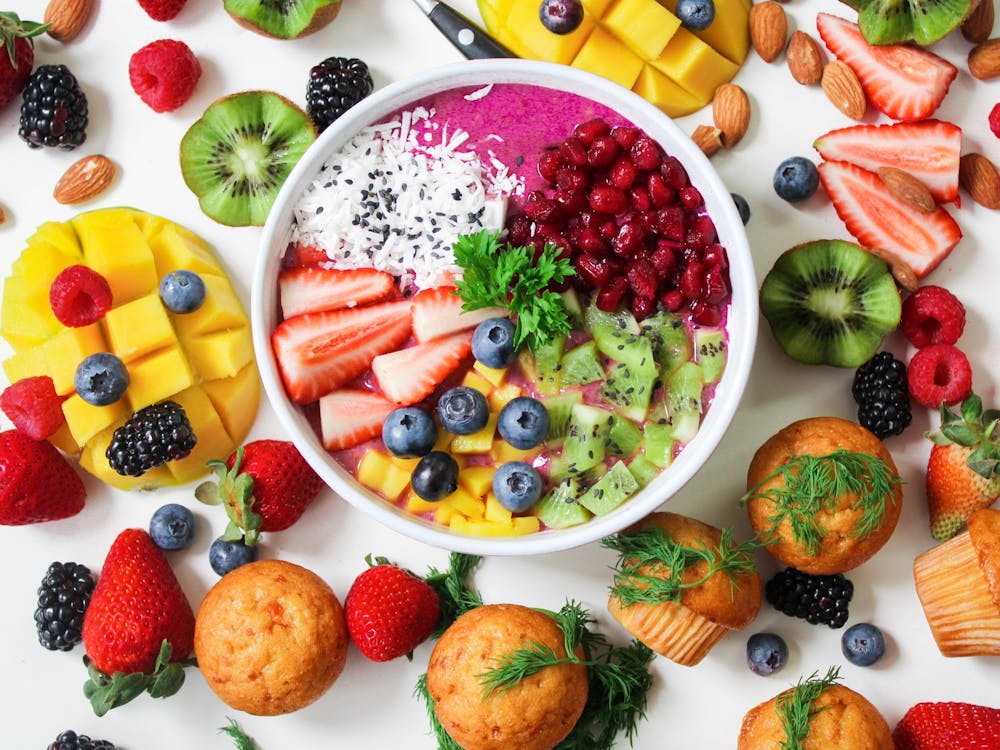
The overlap between gluten-free and vegan diets is growing rapidly. Whether you are managing celiac disease while following a plant-based lifestyle, exploring the health benefits of both dietary approaches, or simply looking for creative ways to eat more whole foods, combining gluten-free and vegan eating opens up a world of delicious possibilities. This guide explores everything you need to know about thriving on a diet that is both entirely plant-based and completely gluten-free.
Why Combine Gluten-Free and Vegan Diets?
People choose to combine these two dietary approaches for many different reasons. Some have celiac disease or gluten sensitivity and are also passionate about animal welfare and environmental sustainability. Others have found that eliminating both gluten and animal products helps them feel their best — reducing inflammation, improving digestion, and increasing energy levels.
Research suggests that plant-based diets rich in whole grains, fruits, vegetables, legumes, nuts, and seeds are associated with lower rates of heart disease, type 2 diabetes, and certain cancers. When you combine this approach with the elimination of gluten — replacing wheat, barley, and rye with nutrient-dense alternatives — you create a dietary pattern that is both protective and nourishing.
The Nutritional Foundation: Getting All Your Nutrients
One of the most common concerns about combining gluten-free and vegan diets is nutritional adequacy. Both diets can restrict certain food groups, so it is important to plan carefully to ensure you are meeting all your nutritional needs.
Protein
Many people assume that removing both animal products and gluten makes it difficult to get enough protein. In reality, there are abundant plant-based, gluten-free protein sources:
- Legumes: Lentils, chickpeas, black beans, kidney beans, and split peas are protein powerhouses.
- Quinoa: A complete protein containing all nine essential amino acids, and naturally gluten-free.
- Tofu and tempeh: Soy-based proteins that are versatile and naturally gluten-free (check tempeh for wheat-based varieties).
- Nuts and seeds: Almonds, hemp seeds, chia seeds, pumpkin seeds, and peanuts provide protein and healthy fats.
- Nutritional yeast: A complete protein with a cheesy flavor, perfect for adding to sauces and popcorn.
- Amaranth and buckwheat: Despite its name, buckwheat is not related to wheat and is completely gluten-free.
Iron
Iron is a nutrient that requires special attention for both vegans and people with celiac disease. Plant-based iron (non-heme iron) is less readily absorbed than animal-based iron, and celiac disease can further impair iron absorption. Excellent plant-based iron sources include spinach, lentils, chickpeas, fortified cereals (choose gluten-free options), pumpkin seeds, and quinoa. Pairing iron-rich foods with vitamin C (citrus fruits, bell peppers, tomatoes) significantly enhances absorption.
Calcium and Vitamin D
Without dairy products, you will need to ensure adequate calcium intake from plant sources. Excellent options include fortified plant milks (almond, soy, oat — choose gluten-free varieties), calcium-set tofu, collard greens, kale, broccoli, fortified orange juice, and tahini. Vitamin D is best obtained through sunlight exposure and supplementation, as few foods naturally contain significant amounts.
Vitamin B12
Vitamin B12 is not found in plant foods in reliable amounts, making supplementation essential for vegans. Choose a gluten-free B12 supplement or consume B12-fortified foods like nutritional yeast, fortified plant milks, and fortified cereals. B12 deficiency can cause fatigue, nerve damage, and anemia — all symptoms that overlap with celiac disease — so regular monitoring through blood tests is important.
Omega-3 Fatty Acids
Without fish in your diet, focus on plant-based omega-3 sources like flaxseeds, chia seeds, hemp seeds, and walnuts. These provide ALA (alpha-linolenic acid), which your body can partially convert to the more active forms EPA and DHA. For optimal levels, consider a vegan algae-based DHA supplement.
Building Your Gluten-Free Vegan Pantry
A well-stocked pantry is the foundation of successful gluten-free vegan cooking. Here are the essentials to keep on hand:
Gluten-Free Grains and Starches
- Brown rice and white rice
- Quinoa
- Millet
- Buckwheat groats and flour
- Amaranth
- Certified gluten-free oats
- Corn (polenta, cornmeal, corn tortillas)
- Potatoes and sweet potatoes
- Gluten-free pasta (rice-based, lentil-based, or chickpea-based)
- Teff
- Sorghum
Proteins
- Canned and dried beans (black, pinto, kidney, white, navy)
- Lentils (red, green, brown, black)
- Chickpeas
- Firm and extra-firm tofu
- Tempeh (verify gluten-free)
- Edamame
- Nut butters (peanut, almond, cashew)
- Hemp seeds and chia seeds
Flavor Builders
- Tamari or coconut aminos (instead of soy sauce)
- Nutritional yeast
- Miso paste (choose gluten-free varieties)
- Apple cider vinegar and rice vinegar
- Fresh and dried herbs and spices
- Tomato paste and canned tomatoes
- Coconut milk and coconut cream
- Tahini
Meal Ideas for Every Time of Day
Breakfast
- Overnight chia pudding with coconut milk, fresh berries, and a drizzle of maple syrup
- Savory quinoa breakfast bowl with sautéed spinach, avocado, cherry tomatoes, and a tahini drizzle
- Gluten-free oatmeal (certified GF oats) topped with banana, walnuts, and cinnamon
- Smoothie bowl made with frozen acai, banana, spinach, and topped with gluten-free granola
- Sweet potato toast topped with almond butter and sliced strawberries
Lunch
- Buddha bowl with brown rice, roasted chickpeas, roasted sweet potato, avocado, and a lemon-tahini dressing
- Lentil soup made with vegetables, cumin, and turmeric, served with gluten-free crackers
- Corn tortilla tacos filled with seasoned black beans, mango salsa, and guacamole
- Rice paper rolls filled with vegetables, tofu, and rice noodles, served with a peanut dipping sauce
- Quinoa salad with cucumber, tomato, kalamata olives, red onion, and a lemon-herb vinaigrette
Dinner
- Coconut curry with tofu, vegetables, and jasmine rice
- Stuffed bell peppers filled with quinoa, black beans, corn, and spices
- Pad Thai made with rice noodles, tofu, vegetables, and tamari
- Chickpea and vegetable stir-fry served over millet or rice
- Bean and sweet potato chili topped with avocado and served with cornbread made from gluten-free cornmeal
Navigating Social Situations and Dining Out
Being both gluten-free and vegan can present challenges in social situations, but with preparation and confidence, it becomes manageable. When dining out gluten-free, Asian restaurants (Thai, Vietnamese, Japanese, Indian) tend to offer the most naturally gluten-free and vegan options — just be mindful of soy sauce and hidden gluten in sauces.
Mexican restaurants are another excellent choice, with corn tortillas, beans, rice, and guacamole as staples. Italian restaurants are increasingly offering gluten-free pasta, which can often be prepared with marinara sauce and vegetables for a satisfying vegan meal.
Before dining out, use the Gluten Safety app from GlutenSafe.io to research menu options and verify ingredients. When attending dinner parties or social events, offer to bring a dish that accommodates your dietary needs — this ensures you have something safe to eat and introduces others to how delicious gluten-free food can be.
Common Mistakes to Avoid
When combining gluten-free and vegan diets, there are several pitfalls to watch out for:
- Relying too heavily on processed gluten-free products. Many gluten-free packaged foods are high in sugar, fat, and refined starches. Focus on whole foods instead.
- Assuming vegan products are gluten-free. Many vegan meat substitutes, such as seitan, are made entirely from wheat gluten. Always check labels or use the Gluten Safety app.
- Not supplementing properly. Both diets can lead to nutrient gaps if not carefully planned. Take B12 supplements and monitor your iron, calcium, and vitamin D levels.
- Forgetting about cross-contamination. Even in vegan restaurants, gluten cross-contamination can occur if the kitchen also handles seitan, wheat-based noodles, or flour.
- Not eating enough calories. Plant-based, whole foods tend to be less calorie-dense. Make sure you are eating enough by including plenty of nuts, seeds, avocados, and grains.
The Environmental and Ethical Benefits
Beyond personal health, a gluten-free vegan diet can have significant environmental and ethical benefits. Plant-based diets require fewer natural resources, produce lower greenhouse gas emissions, and use less land and water compared to diets that include animal products. By choosing whole, plant-based foods, you are making a choice that is good for your body and the planet.
When you combine this environmental consciousness with the mindful eating that comes from managing a gluten-free diet, you develop a deeper awareness of where your food comes from, how it is produced, and what it contains. This mindfulness extends beyond your plate, influencing other areas of your life and connecting you to a growing community of conscious eaters.
Using Technology to Make It Easier
Managing a dual dietary restriction is significantly easier with the right tools. The Gluten Safety app is an essential companion for anyone following a gluten-free diet, allowing you to scan products for gluten and instantly verify their safety. For plant-based eating, there are numerous apps and websites that can help you find vegan restaurants, discover new recipes, and track your nutritional intake.
By combining the Gluten Safety app with other dietary tools, you can navigate the complexities of a gluten-free lifestyle with confidence. Whether you are standing in a grocery store aisle, browsing a restaurant menu, or planning your weekly meals, technology puts the information you need right at your fingertips.
Conclusion
A gluten-free vegan diet is not only achievable — it can be incredibly delicious, nutritious, and satisfying. By focusing on whole plant foods, stocking your pantry with versatile gluten-free ingredients, and using tools like the Gluten Safety app from GlutenSafe.io, you can enjoy a vibrant, varied diet that nourishes your body, aligns with your values, and protects your health. Start exploring the wonderful world of gluten-free vegan cooking today, and discover just how abundant and flavorful this way of eating can be.