
9 min read
No, malt is generally not gluten-free. Malt is almost always made from barley, and barley is one of the three grains that contain gluten, so malt, malt extract, malt flavoring and malt vinegar should all be treated as gluten-containing unless a product is specifically labeled gluten-free. A few related ingredients, such as distilled vinegar, behave differently, and this guide explains why.
Why malt contains gluten
Gluten is a protein found in wheat, barley, rye and the derivatives of these grains, including malt and brewer’s yeast, according to Beyond Celiac. The NIDDK is more specific: it lists barley as a gluten-containing grain and notes that barley “may be found in malt, malt extract, malt vinegar, and brewer’s yeast.”
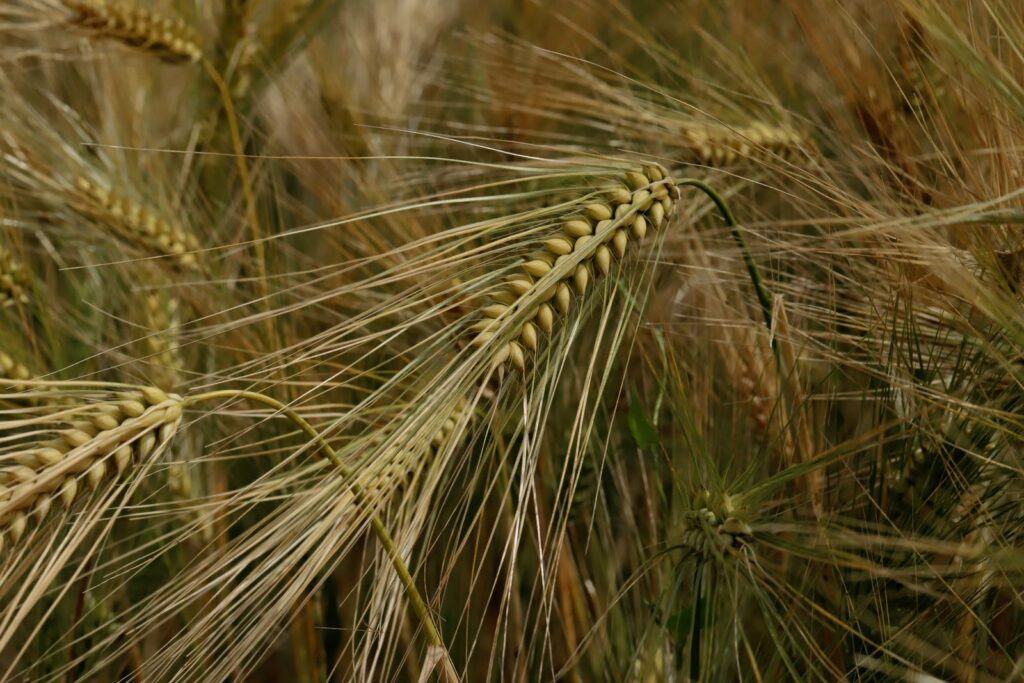
That is the heart of the matter. Malting is a process applied to a grain, and in most food products that grain is barley. The result is a sweet, toasty ingredient that carries the barley’s gluten with it. For anyone with celiac disease, a strict, lifelong gluten-free diet is the only treatment, so a hidden malt ingredient is worth catching.
It is easy to miss because “malt” rarely sounds like a grain. If you are building your label-reading habits, our guide to gluten-free food labels walks through what the wording on a package does and does not promise.
Malt ingredients, form by form
“Malt” shows up under several names. Here is how each one generally fits into a gluten-free diet.
| Ingredient | Usually contains gluten? | What to know |
|---|---|---|
| Barley malt / malted barley | Yes | Made directly from barley, a gluten-containing grain. |
| Malt extract / barley malt extract | Yes | The NIDDK names malt extract as a place barley may be found. |
| Malt syrup | Yes, in most cases | Typically barley-derived; check the label for the grain source. |
| Malt flavoring | Yes, in most cases | Common in cereals, snacks and sweets; treat as barley unless stated otherwise. |
| Malt vinegar | Yes | The NIDDK lists it among barley-derived sources of gluten. |
| Malted milk | Typically yes | Traditionally made with malted barley, so it is usually off the menu. |
| Brewer’s yeast | Yes | Named alongside malt as a barley derivative by Beyond Celiac and the NIDDK. |
The last row connects to a common follow-up question. Yeast comes in several forms, and they are not all equal, so see our explainer on whether yeast is gluten-free for the details on baker’s, brewer’s and nutritional yeast.
Barley malt and barley malt extract
These are the most straightforward cases. Barley malt is barley that has been processed for use as a sweetener or flavoring, and malt extract is a concentrate made from it. Because barley contains gluten, both are off-limits on a gluten-free diet. They are common in breakfast cereals, granola, baked goods, candy and some beverages, so check ingredient lists even on products that do not obviously taste of malt.
Malt flavoring and “natural flavors”
Malt flavoring is a frequent surprise because it sits quietly in the ingredient list. If you see “malt flavor” or “malt flavoring” on a product that is not labeled gluten-free, the safe assumption is that it comes from barley. As the NIDDK points out, many food ingredients and additives, including flavorings, starches and thickeners, are made from grains that contain gluten and appear in processed foods across the store. When in doubt, it helps to contact the manufacturer or check the company’s website, as the NIDDK suggests.
Malt vinegar vs. distilled vinegar
This is where people get tangled, because vinegar is not one thing. Malt vinegar is brewed from malted barley, and the NIDDK specifically lists it as a source of barley-derived gluten. It is the standard topping for fish and chips and turns up in some pickles and sauces, so it is worth knowing by sight.
Distilled vinegar is treated differently. Distillation is a purification process in which a liquid is heated so that its volatile components vaporize and are recovered separately from the nonvolatile ones, as the FDA describes it. The FDA’s 2020 rule on fermented, hydrolyzed and distilled foods specifically covers distilled foods such as distilled vinegar, setting out how they can be evaluated when labeled gluten-free.
The practical takeaway: “vinegar” on a label does not automatically mean trouble, but “malt vinegar” does. Our full breakdown of vinegar types, including white, apple cider, distilled and malt, covers each one in more detail.
Fermented, hydrolyzed and distilled foods: why the details matter
Malt products often show up in foods that are fermented, such as beer, or that rely on other processing steps. The FDA explains that fermentation is not considered a process that removes gluten, and that conventional analytical methods may not accurately detect and quantify gluten in fermented or hydrolyzed foods. Beer is the example the FDA gives for fermented foods.
That is why beers, lagers, ales and malt beverages are listed by the NIDDK among drinks that may contain gluten. A beer brewed from malted barley is not made safe simply because it has been fermented.
The FDA’s rule also pertains to distilled foods, and the same agency notes that its 2020 rule does not change the definition of “gluten-free.” It establishes how compliance is determined for these categories. If you are weighing a specific whiskey, a flavored liquor or a “gluten-removed” beer, that is a conversation to have with your doctor or dietitian, because the evidence on how to verify these products is more limited than for ordinary packaged foods. The NIDDK lists flavored liquors and malt beverages among drinks that may contain gluten.
Maltose and maltodextrin: don’t confuse them with malt
Maltose and maltodextrin have names that sound like malt, which understandably worries people. The sources used for this article do not address these two ingredients directly, so we will not make a firm claim either way here. What is useful is the general principle from the NIDDK: starches and other additives are sometimes made from grains containing gluten, and the safest move is to read labels and check for gluten-free labeling. If a product lists one of these ingredients and is not labeled gluten-free, a quick note to the manufacturer is a reasonable step.
The simplest rule of thumb is to look at the whole label rather than a single word. A product labeled “gluten-free” must meet the FDA’s definition, which is voluntary for manufacturers but regulated once used. The Celiac Disease Foundation also cautions that “wheat-free” does not necessarily mean “gluten-free,” which is a useful reminder when you are scanning the front of a package.
Want the tool that scans this stuff for you?


Where malt hides in everyday foods
Because malt is a flavoring and sweetener, it appears in places you might not look. The NIDDK notes that gluten may be found in candy, condiments, hot dogs and sausages, ice cream, salad dressing and soups. Not every product in those categories contains malt, but they are worth a careful read. A few examples from our ingredient guides show how varied the risks are:
- Sausage and hot dogs, where fillers and seasonings vary by brand.
- Deli meat, which can include flavorings and binders.
- Gravy and bouillon cubes, where thickeners and flavor bases deserve a close look.
Cross-contact is the other half of the story. The NIDDK describes it as what happens when gluten-containing foods touch gluten-free foods, and it can occur when foods are grown, processed, stored, prepared or served. Beyond Celiac adds that eating even tiny amounts of gluten can cause damage to the small intestine, which is why a casual “just a little malt” approach is not recommended for people with celiac disease.
Practical tips for avoiding malt
- Read the full ingredient list. Look for barley malt, malt extract, malt syrup, malt flavoring and malt vinegar.
- Look for gluten-free labeling. A “gluten-free” claim on a packaged FDA-regulated food has to meet the regulation at 21 CFR 101.91.
- Don’t eat something if you are unsure. The NIDDK’s advice is to skip foods when you can’t tell whether they contain gluten, and to contact the manufacturer where possible.
- Watch condiments and drinks. Malt vinegar, malt beverages and some flavored liquors are easy to overlook.
- Ask when eating out. Tell the server you have celiac disease and ask about ingredients and preparation, as the NIDDK recommends.
If your symptoms continue despite a careful diet, Beyond Celiac advises speaking with your doctor or a registered dietitian who knows celiac disease, since hidden gluten is one of several possible explanations. And if you are still sorting out what your diagnosis means, our comparison of gluten intolerance and celiac disease may help.
Gluten-free alternatives to malt
The sources here do not name a specific one-for-one malt substitute, so we will not promise one. What the Celiac Disease Foundation and Beyond Celiac do emphasize is that many gluten-free products are available and that the foundation of a healthy gluten-free diet is naturally gluten-free foods such as fruits, vegetables, meat, fish, dairy, beans, legumes and nuts. If you want a malty flavor in a recipe, look for products that are explicitly labeled gluten-free, ideally certified by a third party, as Beyond Celiac recommends for grains and flours. A registered dietitian can suggest options that suit your tastes and nutrition needs.
Frequently asked questions
Is malt gluten free?
Generally no. Malt is almost always made from barley, a gluten-containing grain, and the NIDDK lists malt, malt extract and malt vinegar as sources of barley. Unless a product is labeled gluten-free, treat malt as an ingredient to avoid.
Is barley malt extract gluten free?
No. Barley malt extract is a concentrate made from barley, so it contains gluten. The NIDDK specifically names malt extract among the places barley may be found, and Beyond Celiac lists malt among gluten-containing derivatives of barley.
Is malt vinegar gluten free?
No. Malt vinegar is brewed from barley and is listed by the NIDDK as a gluten source. Distilled vinegar is a different product that the FDA addresses separately in its rule on distilled foods. See our vinegar guide for a type-by-type look.
Are maltose and maltodextrin gluten free?
The sources we rely on do not address these ingredients directly, so we can’t give a firm answer here. The safest approach is to check for gluten-free labeling and, if a product is not labeled, contact the manufacturer, as the NIDDK suggests when you are unsure about an ingredient.
Is whiskey made from malted barley gluten free?
The evidence here is limited. The FDA’s 2020 rule covers distilled foods and explains how compliance is determined, while the NIDDK lists malt beverages and flavored liquors among drinks that may contain gluten. For specific spirits, ask your doctor or dietitian rather than relying on a general rule.
Sources
- Celiac Disease Foundation: Gluten-Free Foods
- FDA: Questions and Answers on the Gluten-Free Food Labeling Final Rule
- Beyond Celiac: The Gluten-Free Diet
- NIDDK: Eating, Diet, & Nutrition for Celiac Disease
Malt is easy to miss because it hides behind friendly names, but once you know to look for it, it becomes much easier to spot. If you would like a faster way to check ingredient lists while you shop, the Gluten Safety app can help you scan labels for gluten-containing ingredients like barley malt.
This article is for general information only and is not medical advice. If you think you have celiac disease or a gluten-related condition, talk to a doctor or registered dietitian before changing your diet.