
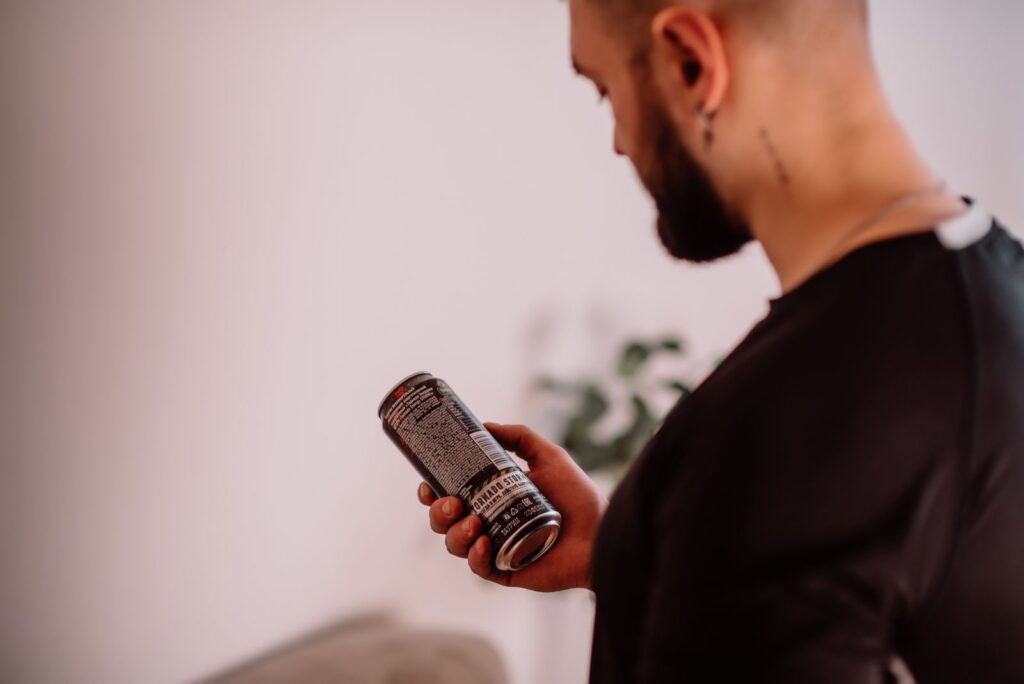
7 min read
Dextrin is not automatically gluten-free, but it is not automatically unsafe either. It is a “may be gluten-free” ingredient: the answer depends on what plant it was made from and how the finished product was handled, which is why Beyond Celiac lists dextrin in its “May Be Gluten-Free” category rather than its safe or unsafe lists. Maltodextrin and dextrose are different ingredients with different track records, and mixing the three up is one of the most common sources of label anxiety. This guide sorts them out.
Three look-alike words, three different ingredients
Dextrin, maltodextrin and dextrose all sound similar and all come from starch, which is why they get blurred together. For gluten purposes, though, they sit in different places:
| Ingredient | Beyond Celiac category | What it means for you |
|---|---|---|
| Dextrin | May be gluten-free | Depends on the source and the product. Check the label and, if needed, the manufacturer. |
| Maltodextrin | Gluten-free | Listed among the gluten-free foods. Our guide to whether maltodextrin is gluten-free covers the detail. |
| Dextrose | Not listed on that page | Beyond Celiac’s list does not address it, so don’t assume; apply the same label-reading habits you’d use for any sugar-type ingredient. |
The practical takeaway: of the three, dextrin is the one that deserves a second look. That is not because it always contains gluten, but because its category is “it depends.”
Why dextrin gets a “may be” rather than a yes or no
Dextrins are made by breaking starch down into smaller pieces. The ingredient itself can come from different starch sources, and wheat is one that is commonly used in some products. Corn, potato and tapioca are others. Because the plant source is often not obvious from the name alone, a bare “dextrin” on an ingredient list does not tell you whether wheat was involved.
That is the reason for the cautious category. Beyond Celiac is clear that its list refers to the ingredient alone and does not account for how it is used in pre-packaged foods, in restaurants, or in cross-contact situations. A “may be gluten-free” ingredient needs a closer look at the specific product in your hand.
Wheat dextrin versus corn dextrin
When the source is named, the picture gets clearer. “Corn dextrin” points to a gluten-free grain; corn itself is gluten-free, and Beyond Celiac lists corn among its gluten-free foods. “Wheat dextrin” names a gluten-containing grain as the source, so it deserves caution. The ingredient has been processed, but the wheat origin is exactly why it should prompt you to verify the product’s gluten-free status rather than assume.
If a product is labeled gluten-free and lists wheat dextrin, treat that as a cue to confirm with the manufacturer how the product was tested and what gluten threshold it meets. Our explainer on what 20 ppm means for gluten-free thresholds helps you interpret what a gluten-free claim does and does not promise.
How to read a label when you see dextrin
Work through these steps in order. They take less time than they sound.
- Look for a named source. “Corn dextrin,” “tapioca dextrin” or “potato dextrin” point away from wheat. “Wheat dextrin” points toward it.
- Check the allergen statement. If wheat is an ingredient, it normally appears in a “Contains” line or in bold within the ingredient list. A wheat declaration next to dextrin is your answer.
- Look for a gluten-free claim on the package. A certified or clearly labeled gluten-free product is a stronger signal than the ingredient name alone.
- If the label is silent about the source, ask. Beyond Celiac advises contacting the manufacturer if you have a question about how a specific product was prepared.
- When you cannot confirm, skip it. There is almost always an alternative product with a clearer label.
Dextrin is one entry in a much longer list of ingredients whose names do not announce their source. For more of these, see our guide to hydrolyzed wheat protein and other hidden gluten in processed foods.
Where maltodextrin fits in
Maltodextrin is the one that confuses people most, because “malt” sounds like barley malt, and barley is a gluten-containing grain. The name is misleading here. Beyond Celiac places maltodextrin in its gluten-free list, so the “malt” in the word is not a reason to avoid it. If the barley connection is what worries you, it helps to know where barley really does matter: see our barley guide for the grain itself, and remember that rye is another gluten-containing grain to keep an eye out for in ingredient lists.
The same logic that applies to maltodextrin applies to other starch-based ingredients. If you are comparing, our page on whether corn starch is gluten-free walks through a similar ingredient. Note that Beyond Celiac lists modified corn starch and modified food starch under “may be gluten-free,” because the source matters there too.
Cross-contamination: the part the ingredient name cannot tell you
Even a dextrin from a naturally gluten-free source such as corn can end up in a product that is exposed to gluten during manufacturing. Beyond Celiac notes that its ingredient guidance does not take cross-contact into account. In other words, “gluten-free ingredient” and “gluten-free product” are not the same thing.
Want the tool that scans this stuff for you?


That is why the strongest protection is the finished product’s own labeling and, when in doubt, a direct question to the maker. Ingredient-level knowledge gets you most of the way; the package claim and the manufacturer close the gap.
Quick reference: which ingredients to double-check
- Dextrin with no named source: verify before eating.
- Wheat dextrin: treat as a wheat-derived ingredient and confirm the product’s gluten-free status.
- Corn, tapioca or potato dextrin: a gluten-free source, but still check for a gluten-free claim on processed foods.
- Maltodextrin: listed as gluten-free by Beyond Celiac; the “malt” in the name is not a red flag on its own.
- Modified food starch and modified corn starch: also “may be gluten-free,” so the same source-checking habit applies.
Frequently asked questions
Is wheat dextrin safe for celiacs?
Wheat dextrin is made from wheat, a gluten-containing grain, so it calls for caution. Whether a particular product is safe depends on whether it carries a gluten-free claim and how it was tested. Confirm with the manufacturer, and ask your doctor or dietitian how to handle borderline cases.
Is dextrin made from wheat?
Sometimes. Dextrin can be made from several starch sources, including wheat, corn, potato and tapioca, and the name alone does not always say which. That variability is why Beyond Celiac lists dextrin as “may be gluten-free” rather than simply safe or unsafe.
Is maltodextrin gluten free?
Beyond Celiac lists maltodextrin among gluten-free foods, so the word “malt” in its name should not alarm you by itself. As with any ingredient, the finished product’s labeling and handling still matter. Our maltodextrin guide has more.
How can I tell if dextrin is gluten-free on a food label?
Look for a named source such as corn, check the allergen statement for wheat, and look for a gluten-free claim on the package. If the label does not make the source clear, contact the manufacturer. When you cannot confirm it, choose a product with clearer labeling.
Can dextrin be cross-contaminated with gluten?
Yes, in principle. An ingredient from a gluten-free source can still be exposed to gluten during processing or in a shared facility, which is why Beyond Celiac notes that ingredient guidance does not cover cross-contact. A gluten-free claim on the finished product, or an answer from the manufacturer, is the best check.
Sources
If you would rather not decode every label by hand, the Gluten Safety app can scan an ingredient list and flag terms like wheat-derived dextrin for you; you can get the app here.
This article is for general information only and is not medical advice. If you think you have celiac disease or a gluten-related condition, talk to a doctor or registered dietitian before changing your diet.