Download

GF Ingredients

Ingredient verdicts · updated regularly

Is it gluten free? Plain-English verdicts on common ingredients.

Quick answers, the science behind each verdict, the brands that get it right, and what to watch for on labels. Reviewed against FDA, GFCO, and peer-reviewed sources — no guesswork.

65
Ingredients reviewed
17
Good to eat
38
Check first
10
Avoid

Quick find

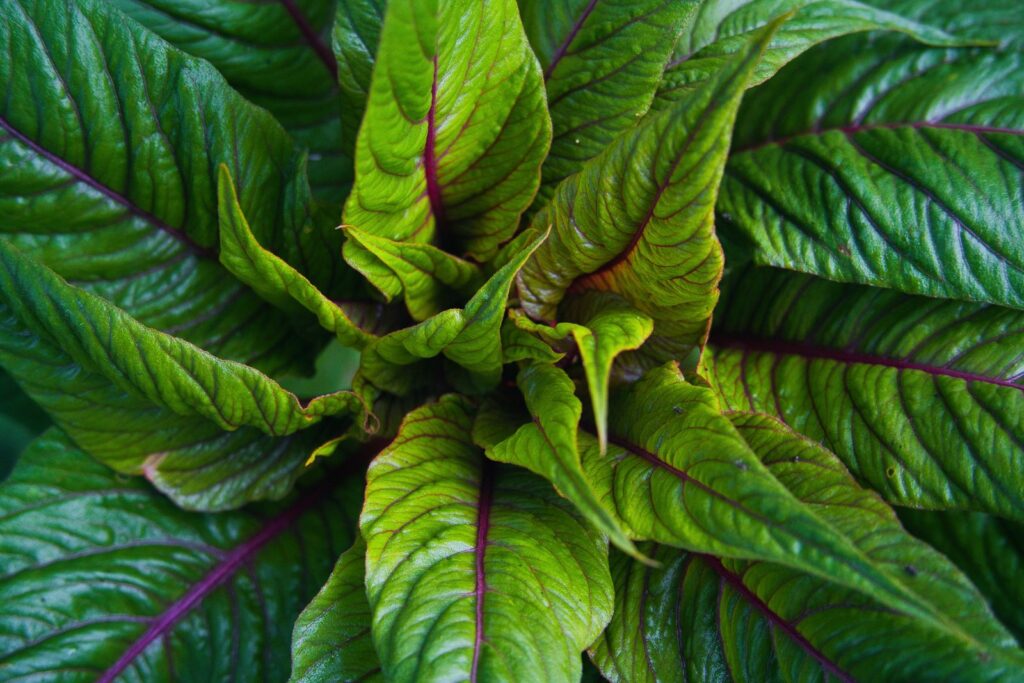
Close-up of vibrant green amaranth leaves with purple-red veins, the naturally gluten-free plant behind amaranth grain

Is Amaranth Gluten Free?

Yes, amaranth is naturally gluten free. It is a seed rather than a wheat, barley or rye grain, and major celiac organizations list it among safe grains. The catch is cross-contact during growing, milling and packaging, so look for a gluten-free label.

Is Amaranth Gluten Free? Read More »
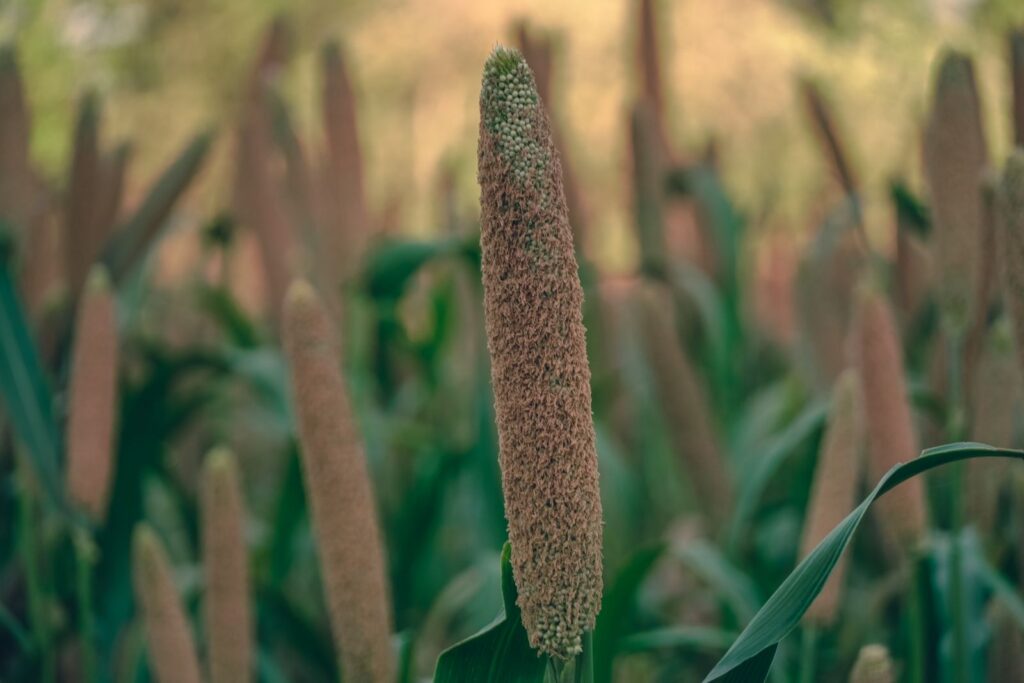
Tall sorghum grain head growing on the stalk in a green field, a naturally gluten-free cereal crop

Is Sorghum Gluten Free?

Yes, sorghum is naturally gluten free. It is a grain in its own right, not a relative of wheat, barley or rye, and it appears on the Celiac Disease Foundation’s list of naturally gluten-free grains. The catch is cross-contact: sorghum can pick up gluten during harvesting and processing, so how you b

Is Sorghum Gluten Free? Read More »

Two bowls of millet porridge topped with apple slices, with raw golden millet grains scattered on linen beside them

Is Millet Gluten Free?

Yes, millet is naturally gluten free, but it is only safe when it hasn’t picked up gluten along the way. Cross-contact during harvesting, processing and packaging is the real risk, so buy millet that is labeled or tested gluten free.

Is Millet Gluten Free? Read More »

Shopping Cart
  • Your cart is empty.